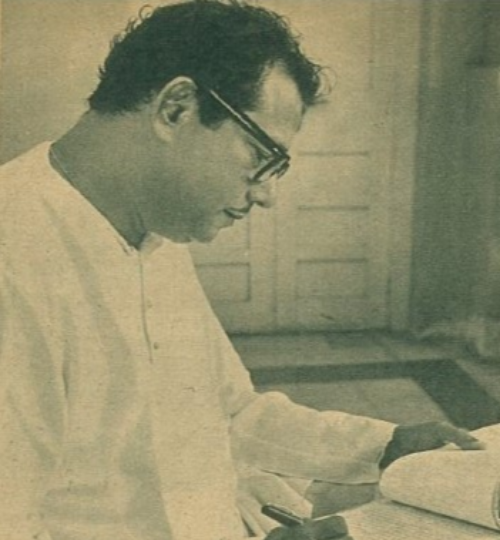
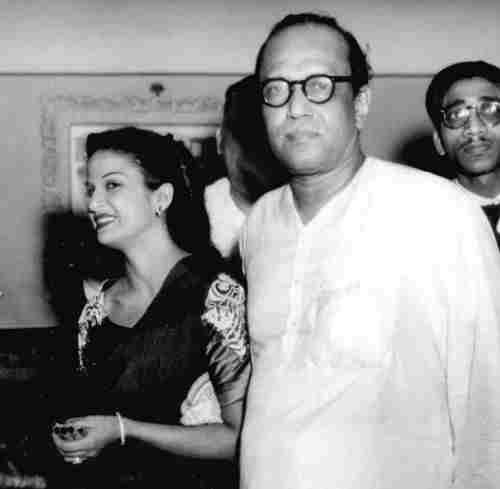
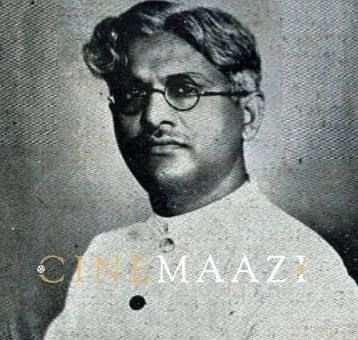
Cinemaazi remembers Bhalji Pendharkar on his death anniversary.
26 Nov 1994
An important figure in the history of the Marathi identity, Bhalji Pendharkar strove to establish the autonomy of Marathi cinema. He was born in Kolhapur in 1898 to King Shahu's physician. His elder brother was the legendary actor Baburao Pendharkar. Drawn to politics from a young age, he was the founder of the Kolhapur branch of Hindu Mahasabha. He started the film journal Cinema Samachar. Active in theatre he wrote Sangeet Kaydebhang and acted in Krantikarak. He made his film debut as an actor in Prithvi Ballabh (1924). He was the writer of V Shantaram's (also his cousin) early films like Udaykal (1930),Khooni Khanjar (1930), Zulm (1931) and Sairandhri (1933). He later left Prabhat for Kolhapur Cinetone, before founding his own studio Arun Pictures in 1939. A prolific director and writer, he is primarily known for his historicals, usually drawing from tales of Maratha history. Vande Maataram Ashram (1926) was banned by the British. He continued tk work till the late 80s with Akash Ganga (1989) being his last film. Some of his notable films are Bajirao Mastani (1925), Rani Rupmati (1931), Shyam Sundar (1932), Kaliya Mardan (1935), Kanhopatra (1937), Raja Gopichand (1938), Thoratanchi Kamla (1941), Bhakta Damani (1942), Maharathi Karna (1944), Chhatrapati Shivaji (1952), Majhi Zameen (1953), Ye Re Majhya Maglya (1955) among others. Cinemaazi remembers him on his death anniversary.