Kaysi Mehra
Subscribe to read full article
This section is for paid subscribers only. Our subscription is only $37/- for one full year.
You get unlimited access to all paid section and features on the website with this subscription.
Not ready for a full subscription?
You can access this article for $2 , and have it saved to your account for one year.
- Born: 20 September 1939
- Primary Cinema: Hindi
- Spouse: Vinni Mehra
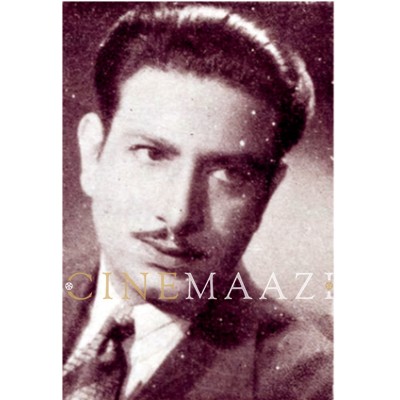
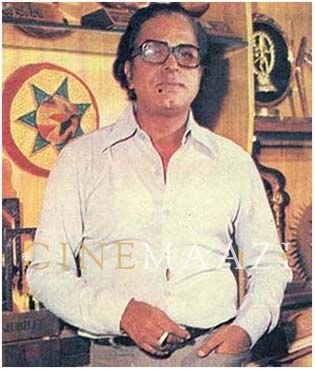
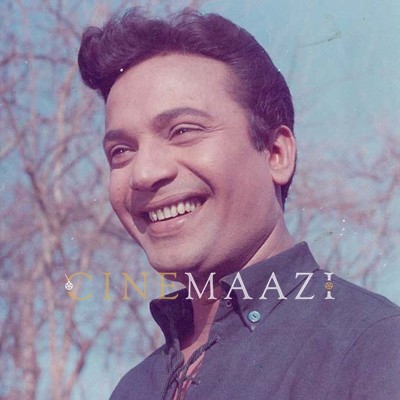
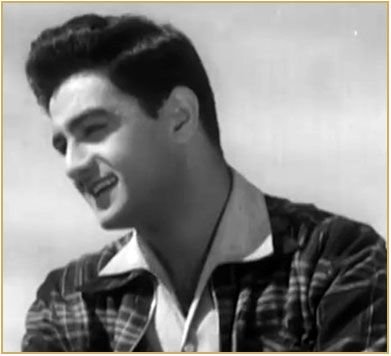
Kaysi Mehra remains one of the more intriguing personalities to have briefly passed through Hindi cinema before finding lasting success in an entirely different world. Remembered by film enthusiasts for his appearances in a handful of early 1960s Hindi films, he would later emerge as K. C. Mehra who was one of the most respected executives associated with Tata Steel and the wider Tata group. His life traced an unusual trajectory, moving from the glamour of Bombay cinema to the corridors of Indian manufacturing industry, while retaining the charisma and warmth that made him admired in both spheres.
Born on 20th September 1939, K. C. Mehra came of age during the first decade after Indian independence, a period marked by optimism, institution-building, and expanding opportunities for educated young Indians. He studied at Hindu College, Delhi University, one of the most prestigious colleges in the country and a cultural hub that nurtured several prominent public figures. During his college years, he reportedly drew attention for his handsome appearance, polished personality, and natural confidence. According to accounts later published by Tata Steel, he was noticed by a film industry executive who encouraged him to try his hand at acting. Adopting the screen name “Kaysi Mehra,” he entered the Hindi film industry at a time when Bombay cinema was witnessing a generational shift in stars and storytelling. His urbane manner and screen presence were often compared to that of Dev Anand, whose sophisticated romantic persona had become immensely popular during the 1950s and 1960s.
Kaysi Mehra’s film career was brief, but it placed him alongside some of the notable talents of the era. One of his earliest and most significant appearances was in Chhabili (1960), directed by actress and filmmaker Shobhana Samarth. The film was produced primarily as a launch vehicle for her younger daughter Tanuja, while also featuring her elder daughter Nutan, already one of the leading actresses in Hindi cinema. Chhabili was a light-hearted musical drama that reflected the changing mood of urban Hindi cinema in the post-Independence years. The film’s music, composed by Snehal Bhatkar, became particularly appreciated, with songs such as “Lehron Pe Leher Ulfat Hai Jawan” gaining popularity among listeners. Within the film, Kaysi Mehra projected an easy charm and youthful sophistication that suited the evolving image of the modern Hindi film hero.
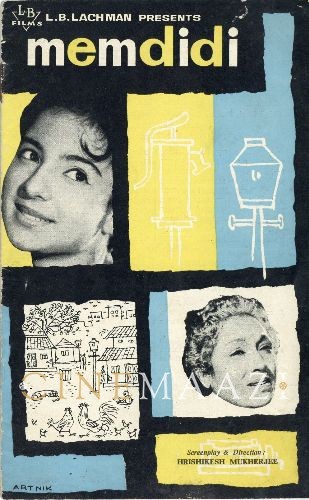
He followed this with an appearance in Mem-Didi (1961), directed by Hrishikesh Mukherjee, who would later become one of the most celebrated filmmakers in Indian cinema. The film starred actors such as Lalita Pawar, David Abraham and Jayant, and is remembered for its emotional warmth, humour, and humane storytelling. Kaysi Mehra played the role of Dilip opposite Tanuja. Though he did not stay in films long enough to develop a substantial screen career, contemporary recollections of Mem-Didi often mention his likable screen presence and polished demeanour. He belonged to a generation of actors who embodied a quieter, more understated masculinity, positioned between the theatrical style of earlier decades and the more naturalistic performances that Hindi cinema would increasingly embrace in the 1960s.
Yet, despite the promise of a film career and the visibility that came with working alongside established stars, Kaysi Mehra made the surprising decision to leave cinema altogether. Unlike many actors who remained drawn to the glamour and unpredictability of Bombay films, he chose stability, organisation-building, and industrial leadership. In 1962, he joined Tata Iron and Steel Company (TISCO) as an Assistant Section Officer, beginning a professional journey that would span more than three and a half decades.
At Tata Steel, K. C. Mehra steadily rose through the ranks and became known for his administrative capability, interpersonal warmth, and leadership qualities. Over the years, he held several important positions across the organisation, eventually becoming Senior Vice President and Executive Director. He played a major role in the company’s modernization initiatives during a transformative period in Indian industry and contributed significantly to strengthening Tata Steel’s operational and institutional framework.
Outside the boardroom, he also became associated with sports administration and social institutions connected to Jamshedpur and the Tata ecosystem. He was deeply involved with golf and other sporting organisations, earning admiration for his elegance, leadership, and ability to connect with people. He later was married to Vinni Mehra, who remained an important part of his personal and social life through the years.
The story of Kaysi Mehra remains fascinating precisely because it bridges two very different worlds. His brief journey through Hindi cinema offers a glimpse into a lesser-known chapter of film history, where educated young men from elite institutions occasionally entered films before choosing more conventional professional careers.
References
Image credit: https://www.youtube.com/watch?v=RF7_hoJiVVU [16:00]